
Our Guide to Ductless Systems for Pittsburgh Homes
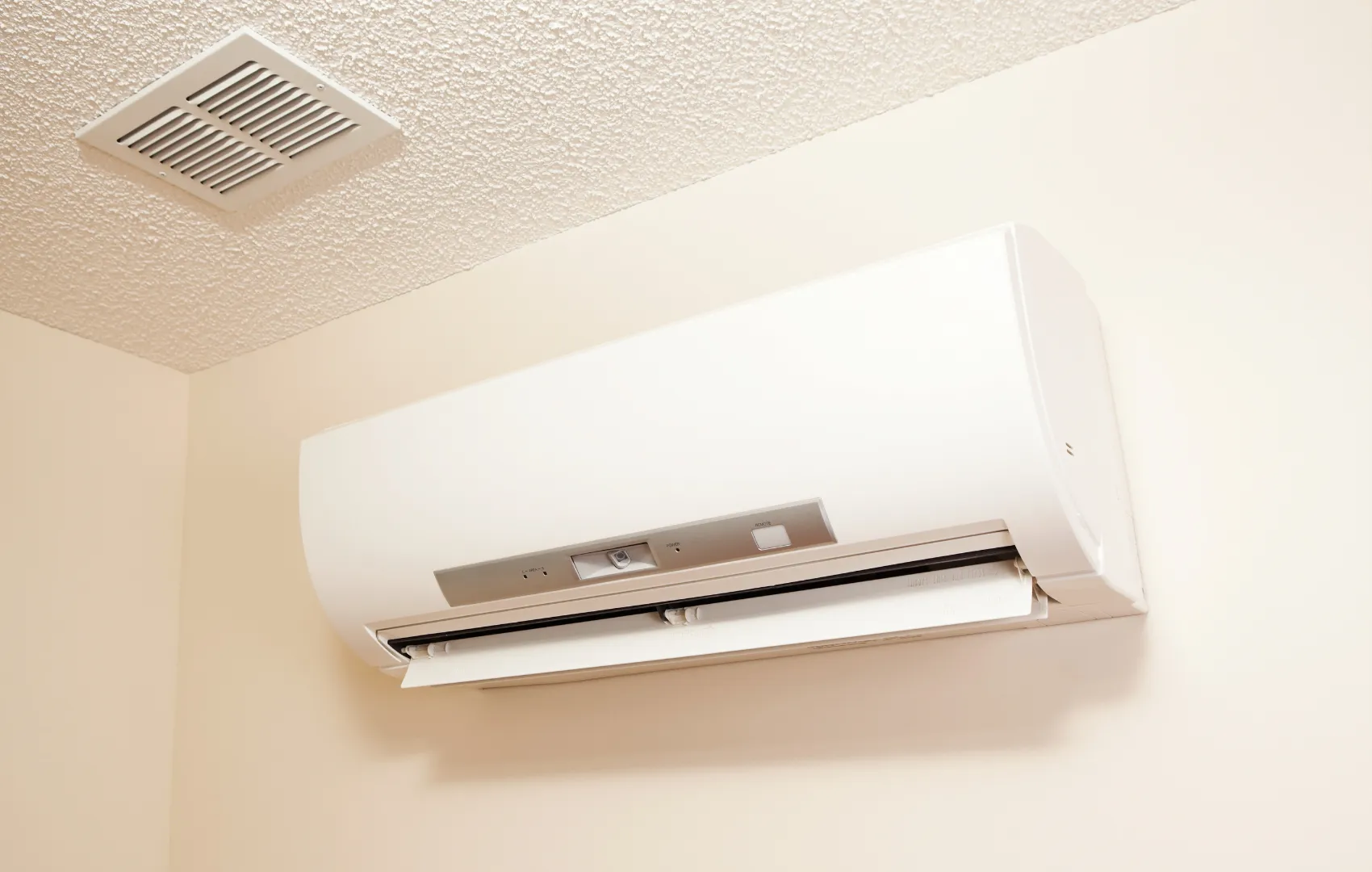
Many people are familiar with traditional forced air systems, but fewer understand how ductless heat pump systems work or why they are becoming more popular!
Homeowners often ask two important questions before investing in a new system: what is a heat pump, and how long do heat pumps last? This guide explains the basics, with a special focus on ductless mini split systems and why they are an excellent fit for many Pittsburgh homes.
What Is a Heat Pump?
A heat pump is a heating and cooling system that moves heat instead of creating it. During winter, the system extracts heat from the outdoor air and transfers it inside your home. During summer, the process reverses, and heat is moved out of your home to provide cooling.
This process makes heat pumps highly energy efficient compared to systems that rely on fuel combustion.
Heat pumps can be installed as traditional ducted systems or as ductless mini split systems. Ductless systems are one of the most flexible and efficient options available today.
What Is a Ductless Heat Pump System?
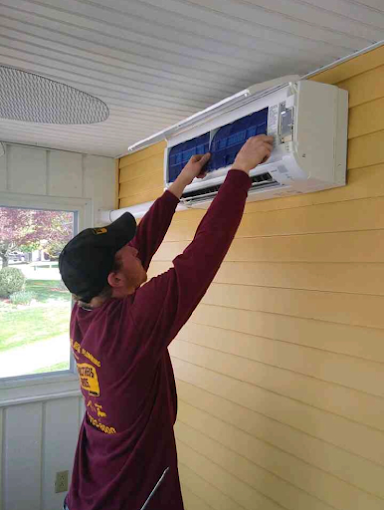
A ductless heat pump system, often called a ductless mini split, does not require ductwork. Instead, it uses three main components:
- An outdoor unit
- One or more indoor units
- A handheld remote or wall-mounted controller
Each indoor unit is mounted directly in the room it serves, allowing precise temperature control without relying on ducts.
Schultheis Bros. is a leading provider of ductless heat pump systems in Pittsburgh, Greensburg, and surrounding Western Pennsylvania communities.
Where Ductless Heat Pump Systems Work Best
Ductless systems are ideal for spaces that struggle with consistent temperatures or lack duct access. Many Pittsburgh homes benefit from ductless systems due to older construction styles and home additions.
Common applications include:
- Rooms that are always too hot or too cold
- Sunrooms and enclosed patios
- Home additions not connected to existing ductwork
- Finished basements and attics
- Upstairs bedrooms with uneven airflow
- Offices, workout rooms, and computer rooms
- Churches, schools, hospitals, and commercial spaces
Ductless systems provide targeted comfort exactly where it is needed.
Benefits of Choosing a Ductless Heat Pump System
Ductless heat pumps offer several advantages that make them an appealing solution for Pittsburgh homeowners.
Improved Comfort Control
Each indoor unit operates independently, allowing you to control temperatures room by room. This turns problem areas into comfortable living spaces year-round.
Energy Efficient Performance
Mitsubishi Electric ductless systems use INVERTER-driven compressor technology that adjusts output based on demand. This allows the system to use only the energy required to heat or cool a space instead of cycling on and off.
No Ductwork Required
Homes without ducts can still enjoy efficient heating and cooling. This is especially helpful for older homes and renovations where installing ductwork would be disruptive or expensive.
Quiet and Compact Design
Ductless outdoor units are slim and operate quietly. Indoor units are also designed for low noise operation and can be integrated into your living space without distraction.
Environmentally Friendly Operation
Ductless systems use R410A refrigerant, which has zero ozone depletion potential and supports more environmentally responsible heating and cooling.
Built-In Air Filtration
Each indoor unit includes an anti-allergen filter that helps capture airborne particles. Filters are easy to remove and clean, which supports healthier indoor air.
How Long Do Ductless Heat Pumps Last?
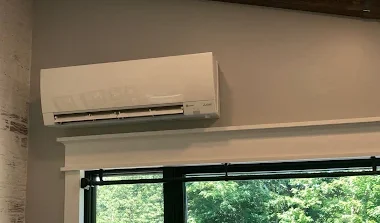
On average, ductless systems last between 10 and 15 years. Many systems last longer when properly maintained and professionally installed.
Since ductless heat pumps operate year-round for both heating and cooling, regular maintenance plays an important role in extending system life.
Professional installation is especially important for ductless systems to ensure optimal performance and longevity.
Signs a Ductless Heat Pump May Be Near the End of Its Life
As ductless systems age, certain signs may indicate the need for repair or replacement.
- Difficulty maintaining set temperatures
- Increasing energy bills
- Reduced airflow from indoor units
- Frequent service calls
- Unusual noises or operational issues
If your system is approaching the 10 to 15 year range, a professional evaluation can help determine next steps.
Mitsubishi Electric Diamond Dealer Expertise
Schultheis Bros. has earned Elite Diamond Dealer status from Mitsubishi Electric Cooling and Heating. This is the highest level of accreditation available.
Our sales, installation, and service teams receive advanced training directly from Mitsubishi. This ensures our technicians stay current on the latest ductless technology and installation best practices.
Diamond Dealer status means:
- Expert system design and sizing
- Access to the latest Mitsubishi innovations
- Manufacturer-backed warranties
- Proven installation quality
This level of expertise helps ensure your ductless system delivers reliable comfort for years to come!
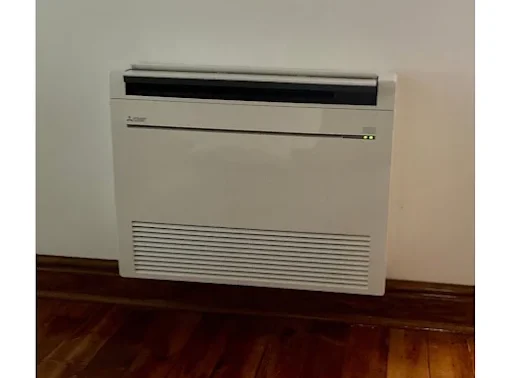
Considering a Ductless Air System?
If you are considering a ductless heat pump or wondering how long your current system will last, professional guidance can help you make an informed decision.
Contact Schultheis Bros. today!

Ductless Air Systems Frequently Asked Questions
What is the difference between a heat pump and a ductless heat pump?
A ductless heat pump does not use ductwork and delivers heating and cooling directly to individual rooms through indoor units.
How long do ductless mini split systems last?
Most ductless systems last between 10 and 15 years with proper installation and regular maintenance.
Are ductless heat pumps good for older Pittsburgh homes?
Yes. Ductless systems are ideal for older homes that lack ductwork or struggle with uneven temperatures.
Can ductless systems heat my home in winter?
Modern ductless heat pumps are designed to operate efficiently in cold temperatures common in the Pittsburgh area.